What to Wear for a Marathon: A Women's Race-Day Kit Checklist

You've done the long runs, survived the taper and laid out your bib. Now comes the question that keeps a surprising number of runners up the night before: what do I actually wear? Your marathon outfit won't make you faster, but the wrong one can make 26.2 miles feel a lot longer. A bra that rubs at mile 16, shorts that ride up or a jacket you can't get rid of are all avoidable.
This guide walks through a complete women's race-day kit, piece by piece, plus a printable-style checklist and the weather adjustments that matter on the day.
Rule number one: nothing new on race day
You've heard it before because it's true. Every piece you wear in the marathon should have been tested on at least one long run, ideally two. That includes your sports bra, shorts, socks, shoes and even your hair tie. New gear can fit perfectly for five miles and start chafing at fifteen. If you bought something for race day, wear it on your last long run before the taper so you know how it behaves when you're tired and sweaty.
Your marathon outfit, piece by piece
1. A supportive sports bra you trust
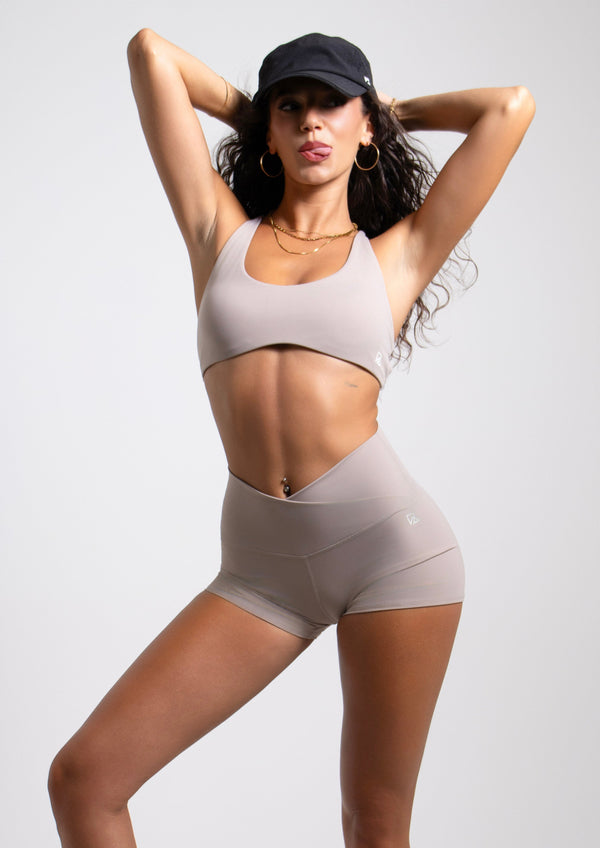
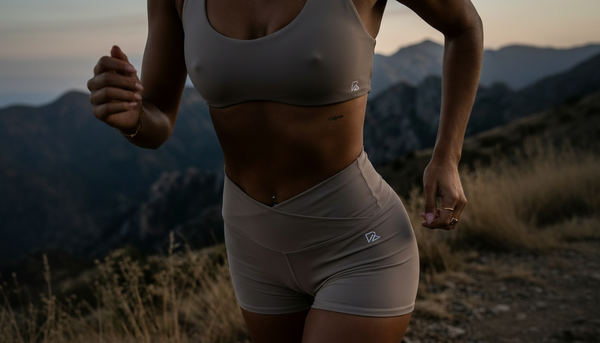
Your bra matters more over 26.2 miles than in any other race. Look for a snug band that doesn't shift when you swing your arms, straps that don't dig in and smooth fabric where seams meet skin. The LuxeForm Heart Bra is our strong-support style, with an open sporty back for breathability and sweat-wicking, quick-drying fabric. Browse all sports bras to compare support levels.
Apply anti-chafe balm along the band and under the straps before you get dressed. It's the single most common place women chafe in a marathon.
2. Running shorts that stay put
Most women race marathons in one of two styles: split shorts or fitted shorts. Split shorts are the classic racing cut, light and breezy with side slits that give you a free stride. Fitted shorts stay in place on the inner thigh and help with chafing.
- If you love a light, flowy short: the Cheeky Flyaway split shorts are made from ultra-light, quick-drying fabric with a hidden waistband pocket for a key or card. The black pair comes with a choice of seamless liner or no liner, so you can match what you've trained in.
- If you prefer fitted shorts: the LuxeForm Sculpting Shorts have a 5-inch inseam, a criss-cross waistband and a full-size secret back pocket for your phone, cards or keys.
Compare every length and style in our women's running shorts collection, or see the racing-cut split shorts.
3. A top that breathes
On a cool morning, a tank or a light tee over your bra is plenty once the race starts. If you want somewhere to stash your phone, the LuxeForm Functional Tank has side pockets designed to hold your phone securely and a criss-cross back for airflow. Pin your bib to the front of whatever you'll wear at the finish, not to a layer you plan to throw away.
4. Socks and shoes you've already run in
Wear the shoes you've trained in, with at least a few long runs on them but plenty of life left. Pair them with the socks you've worn on your longest runs. Synthetic or wool blends that wick moisture help prevent blisters. Double-knot your laces.
5. Sunglasses and a hat
Even on a cloudy start, the sun can come out by halfway, and squinting for three or four hours is tiring. Polarized lenses cut glare from wet roads and car windshields. Our running sunglasses all use 5K polarized UV400 lenses with a no-slip fit, including the frameless X365 Revo Silver ($95) and the round 47 mm Olympians ($65).
A light running hat keeps sweat out of your eyes and shades your face on a sunny course. If rain is in the forecast, a brim keeps water off your sunglasses or contacts.
6. Fuel and how you'll carry it
Decide how you'll carry gels or chews before race week, and practice it. Options include a running belt, shorts or tank pockets, or simply holding them in your hand for the first few miles. Whatever you choose, test it on a long run with the exact amount of fuel you plan to take, because a full pocket can bounce or pull in a way an empty one doesn't.
Dressing for race-day weather
Marathon mornings often start cold and warm up quickly. Dress for the temperature at mile 10, not the temperature in the start corral. As a guide, many runners dress as if it's about 15 to 20 degrees warmer than the forecast. For a full breakdown, use our what to wear running temperature chart.
- Cold start (under 45°F): wear your race kit plus throwaway layers: an old long-sleeve top, cheap gloves and even a trash bag poncho to stand in. Most big races collect discarded clothing for donation.
- Mild (45 to 60°F): ideal marathon weather. Race kit, sunglasses and maybe arm sleeves or gloves you can tuck away.
- Warm (over 60°F): as little as you're comfortable in, a hat, sunscreen and a slower opening pace. Take water early and often.
- Rain: a brimmed hat, anti-chafe balm everywhere and a dry change of socks and clothes in your gear-check bag.
The race-day kit checklist
Lay this out the night before so race morning is calm.
- Bib, safety pins and timing chip (if separate)
- Tested sports bra
- Race shorts or fitted shorts
- Tank or tee, bib already pinned
- Socks and shoes from your long runs
- Sunglasses and hat
- Gels or chews, plus how you'll carry them
- Anti-chafe balm, applied before you dress
- Hair ties (bring a spare)
- Watch, charged
- Throwaway layers for the start
- Sunscreen
Pack a post-race bag
You'll cool down fast after you cross the line, and your legs won't love bending to pull on tight clothes. Pack a dry sports bra, loose or soft pants, warm socks and a cozy layer. Our LoverFleece cropped hoodie has a silky fleece interior and thumbholes, made for warm-ups and post-workout comfort. Add a snack, a phone charger and slides or comfortable shoes.
Marathon outfit FAQ
What should I wear for my first marathon?
Wear exactly what you wore on your best long run: a supportive sports bra, shorts you've tested, a breathable top, your trained-in shoes and socks, and sunglasses or a hat for sun. Your first marathon is not the day to experiment.
Should I wear shorts or leggings for a marathon?
Most women race in shorts unless it's near or below freezing, because you'll warm up quickly. If you run cold or the forecast is in the 30s, fitted shorts plus throwaway layers, or capris, are a good middle ground.
How do I prevent chafing in a marathon?
Wear gear you've tested on long runs, apply anti-chafe balm to your bra band, straps, underarms and inner thighs before you dress, and choose fitted shorts if your thighs rub.
Should I wear sunglasses in a marathon?
If there's any chance of sun, yes. Sunglasses reduce squinting and eye fatigue over several hours. Choose a pair with a no-slip fit so you're not pushing them up every mile.
You're ready
The training is the hard part. Getting dressed should be the easy part. Test your kit, lay it out the night before and trust what got you to the start line. Still building toward race day? Read our runner's guide to marathon training, then shop women's running shorts for your long runs.