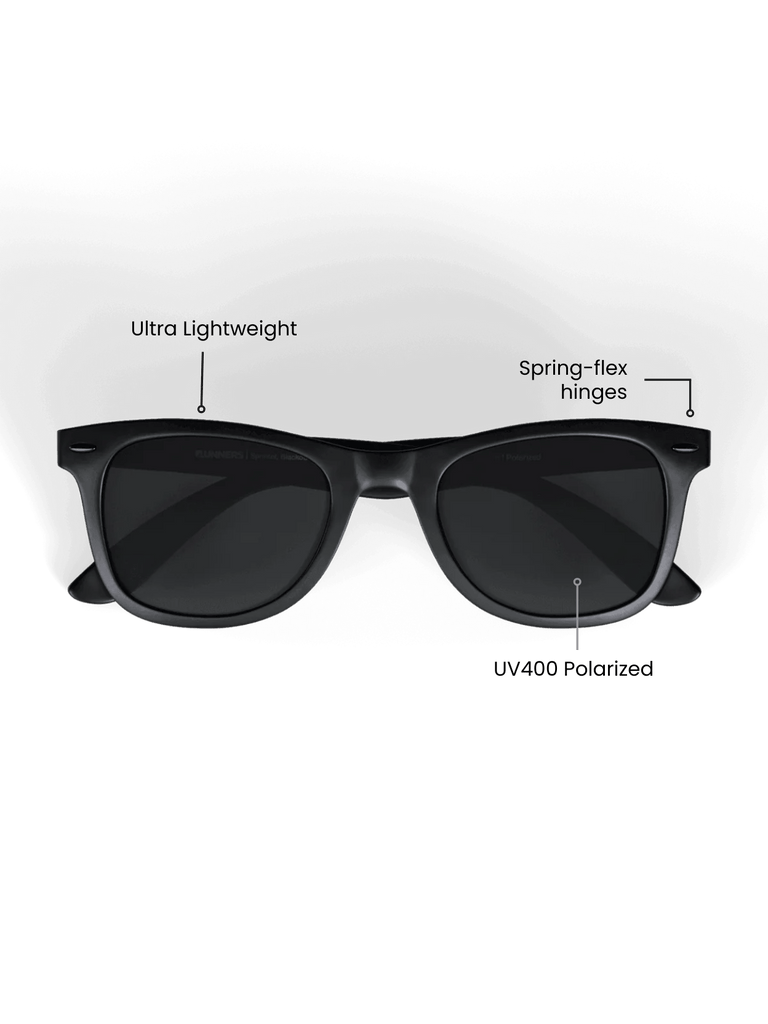
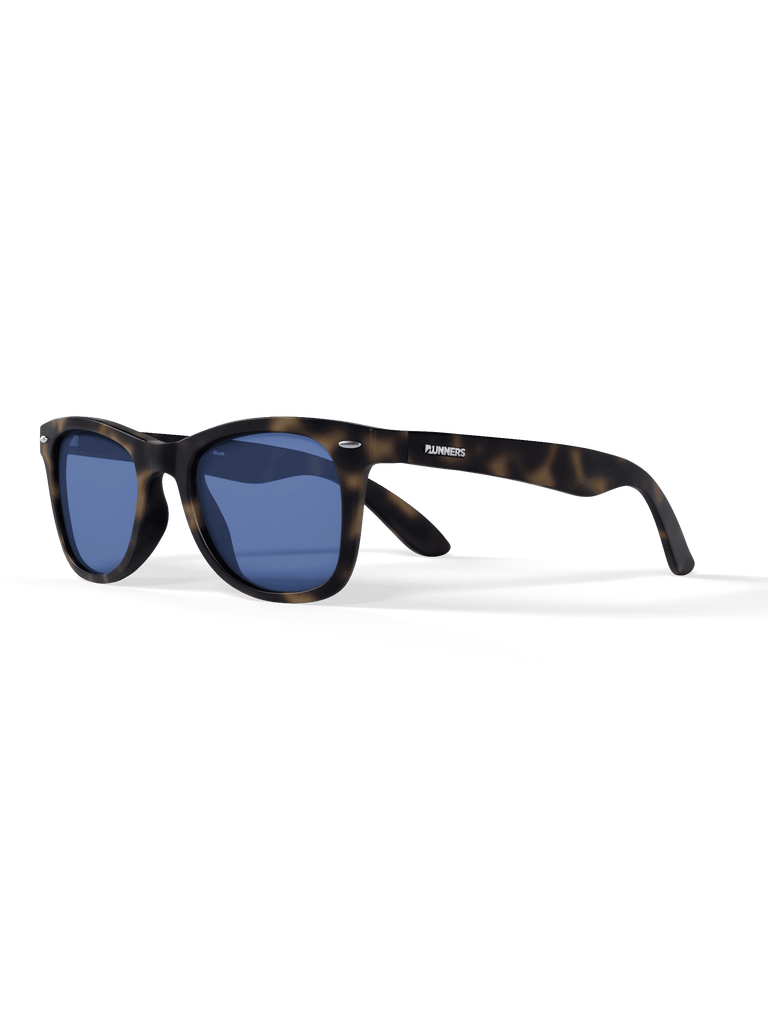
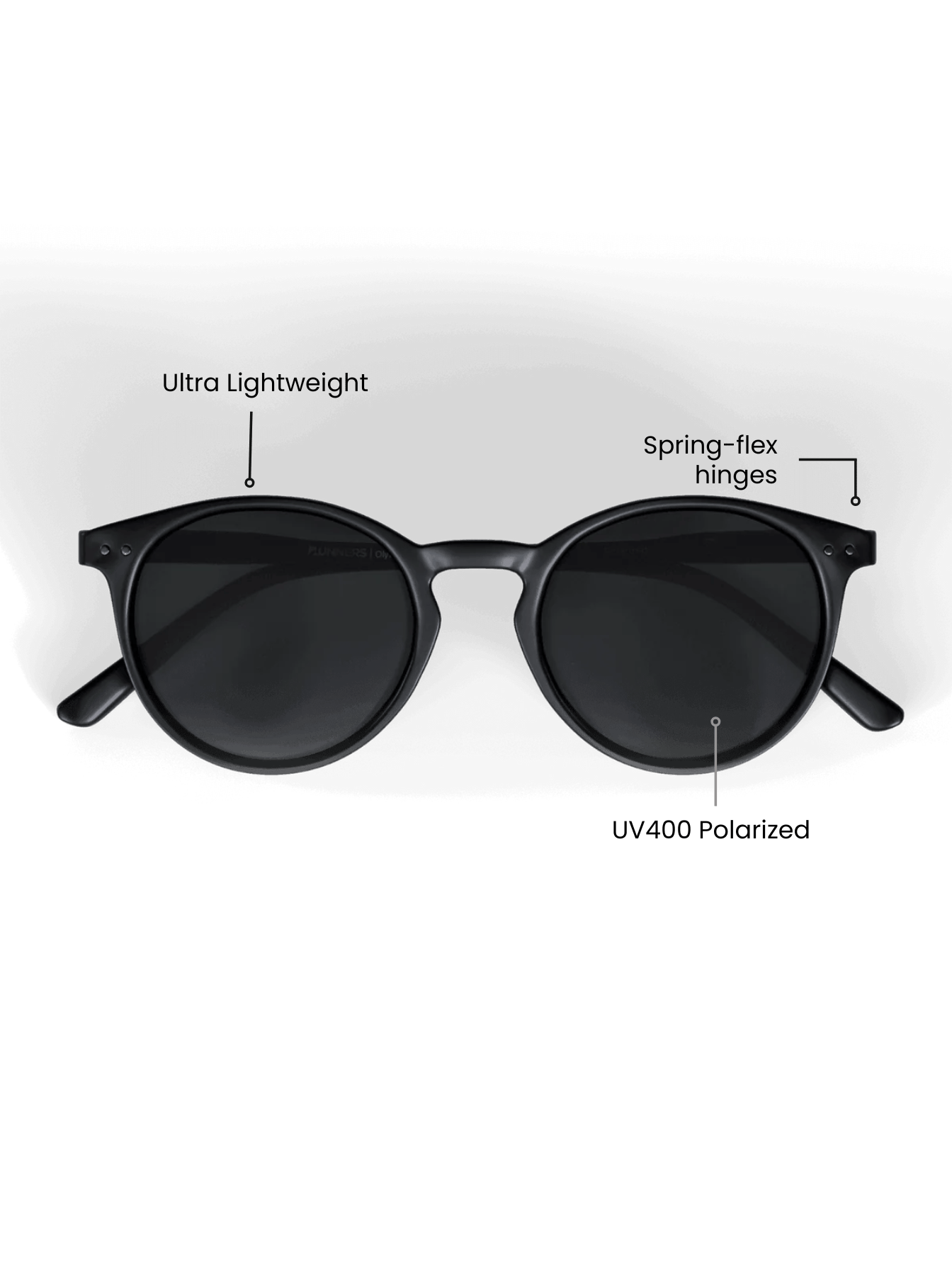
Running sunglasses have one job: disappear on your face while you run. Every pair at Runner's Athletics is built around that idea, combining polarized UV400 lenses with ultra-light frames, a no-slip nose grip, and anti-fog venting so nothing bounces, slides, or steams up between mile one and the finish line. Designed for both men and women, they work just as well on trail runs and long rides as they do at the beach.
What Makes a Great Pair of Running Sunglasses
Regular sunglasses fail runners in predictable ways. They slide down sweaty noses, bounce with every stride, fog up the moment you stop at a light, and add weight you notice by mile three. Running glasses solve each of those problems with sport-specific engineering: rubberized no-slip contact points, frames in the 20 to 30 gram range, vented lens designs that keep air moving, and lens coverage that blocks wind and road glare without tunnel vision.
Polarization matters more for runners than almost any other athlete. Roads, sidewalks, water, and car glass all throw hard glare exactly at eye level. Polarized UV400 lenses cut that glare while blocking 100 percent of UVA and UVB rays, which means less squinting, fewer headaches on long runs, and better contrast on uneven pavement and trails.
Find Your Style
-
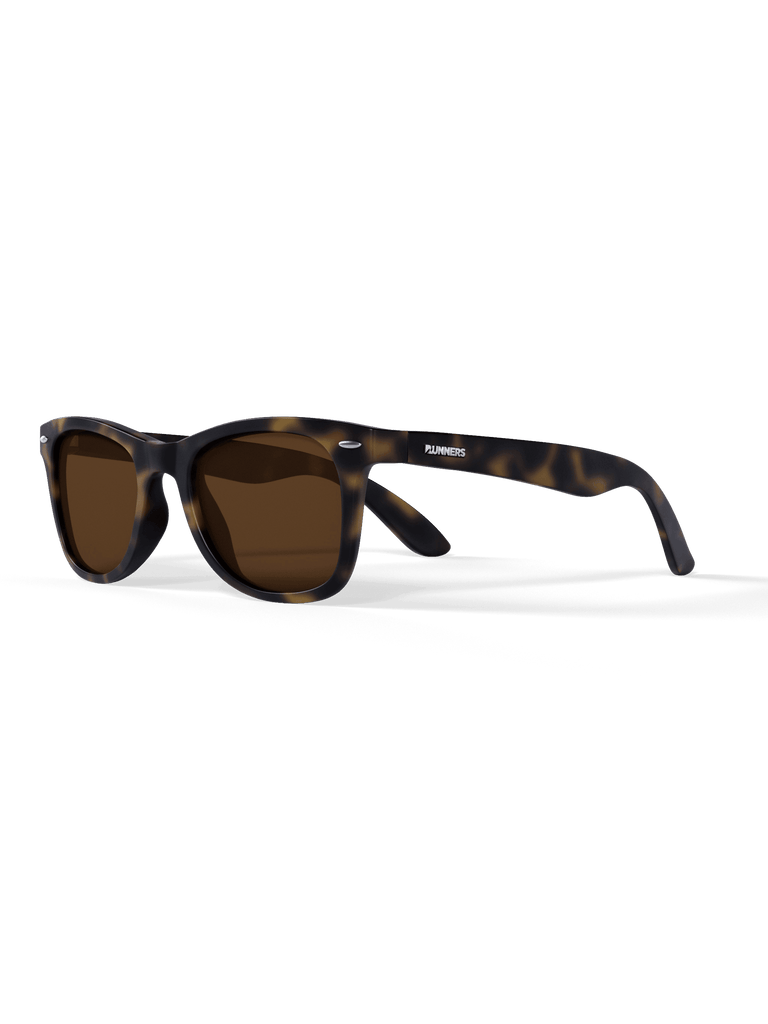
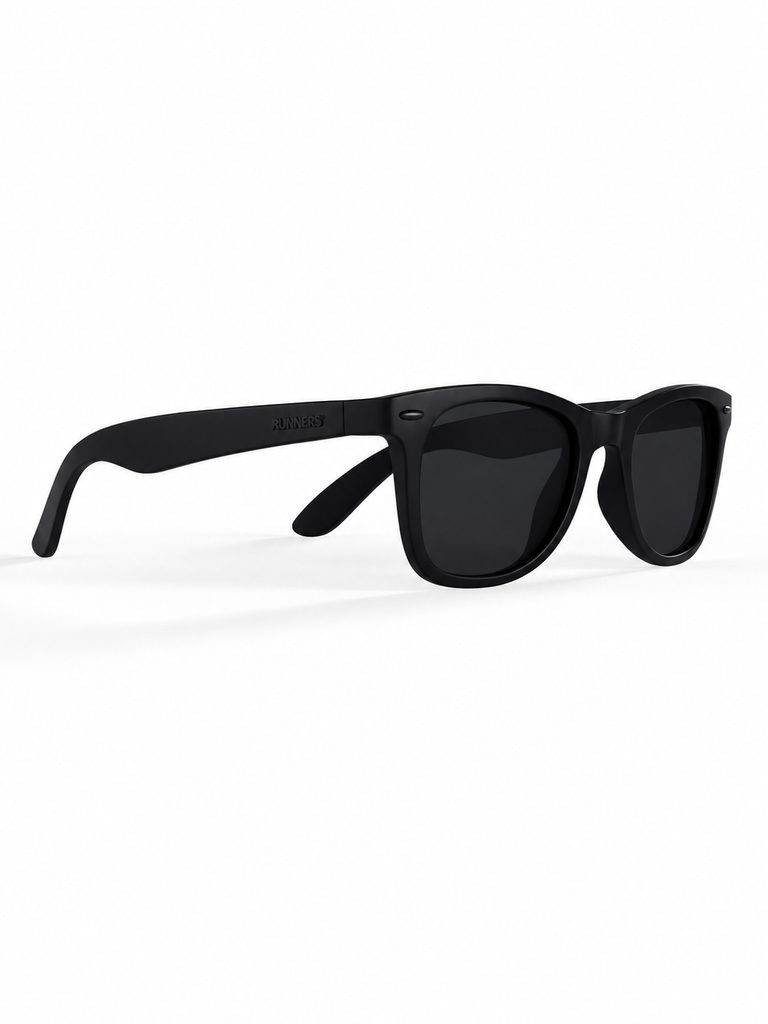
Square frames: A bold, classic profile that suits most face shapes. Our square sport sunglasses carry the fit of a lifestyle frame with full performance internals.
-
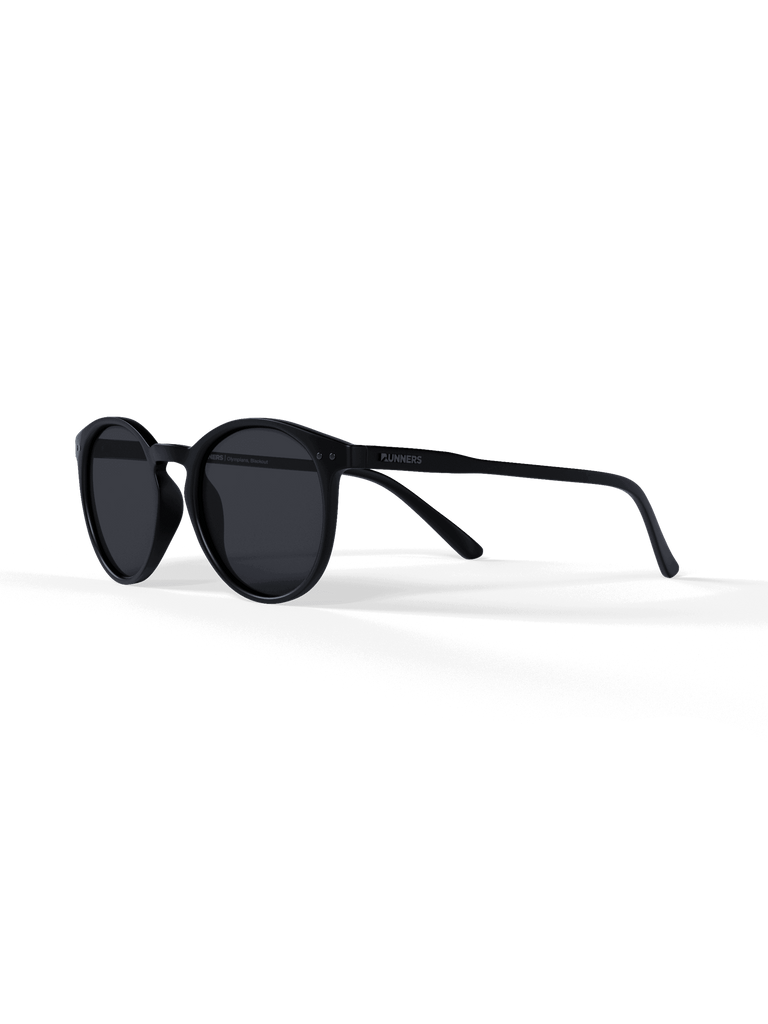
Round frames: A retro silhouette that moves effortlessly from morning miles to weekend errands.
-
Performance wrap: Our cycling and sport styles use durable TR90 frames with a closer wrap for wind protection at higher speeds.
Every style is unisex. Sizing runs true for both men and women, and each pair ships with a protective case.
Built for More Than Running
The same features that make these sunglasses great for running make them a strong pick for cycling, golf, pickleball, hiking, fishing, boating, and everyday driving. The polarized lenses tame water and windshield glare, the grip keeps them planted through a golf swing or a hard sprint to the net, and the light weight means you forget you are wearing them.
Complete Your Kit
Pair your sunglasses with a lightweight running hat for full sun coverage, or browse women's running sunglasses for curated women's styles. Carry your essentials with a crossbody sling bag, and see the rest of our running accessories for everything else that makes miles easier. Looking for a broader sport style? Shop sports sunglasses for the full athletic eyewear range.
Common Questions About Running Sunglasses
Are polarized sunglasses good for running?
Yes. Polarized lenses cut reflected glare from roads, water, and car glass, which reduces squinting and eye fatigue on long runs. They also improve contrast so you can read uneven pavement and trail obstacles more clearly. All Runner's Athletics running sunglasses use polarized UV400 lenses.
What is UV400 protection?
UV400 means the lenses block ultraviolet light up to 400 nanometers, which covers 100 percent of both UVA and UVB rays. It is the highest standard of UV protection available in sunglasses and matters most for runners who train outdoors at midday.
How should running sunglasses fit?
Snug at the nose and temples with no pressure points. The frame should sit close enough to block wind but with enough airflow to prevent fogging. If they slide when you look down or bounce on a stride, they are too loose.
Can I wear running sunglasses for other sports?
Absolutely. The same no-slip, lightweight, polarized build works for cycling, golf, tennis, pickleball, hiking, and water sports. Most of our customers wear theirs as everyday sunglasses too.
Do these sunglasses work for both men and women?
Yes. Every frame is unisex and sized to fit most faces. The square and performance styles run slightly larger, while the round styles suit smaller face shapes.